



 Written By: Joe Sanchez |
|
 A Tale of the Enemy Within Written By: Joe Sanchez |
|
 |
 |
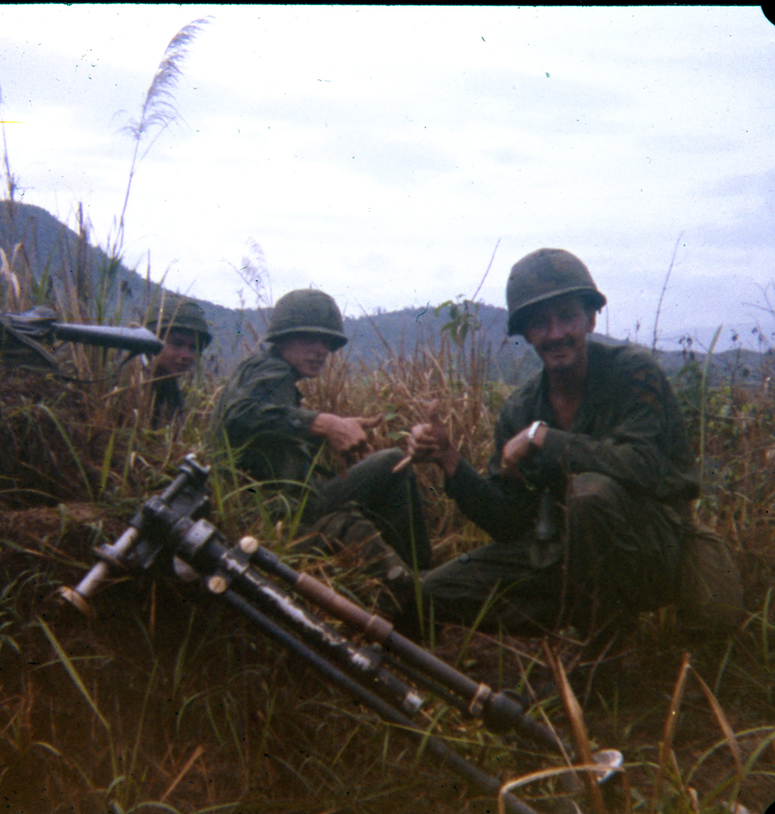
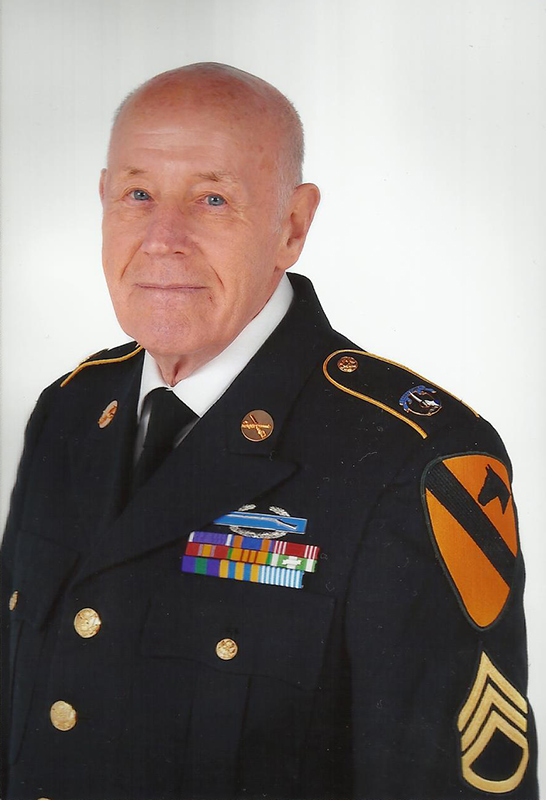 Sgt. Fred Booker from Derbyshire, England, served with 2/7 D Company Forward Observer, wounded in action January 16, 1967 with Pvt. Joe Sanchez, Robert Martinez { medic } from Corpus Christi, Texas, and Pvt. George White, N.C. Also that he served with the British Army in the Korean War, and the Suez Canal, Egypt. |
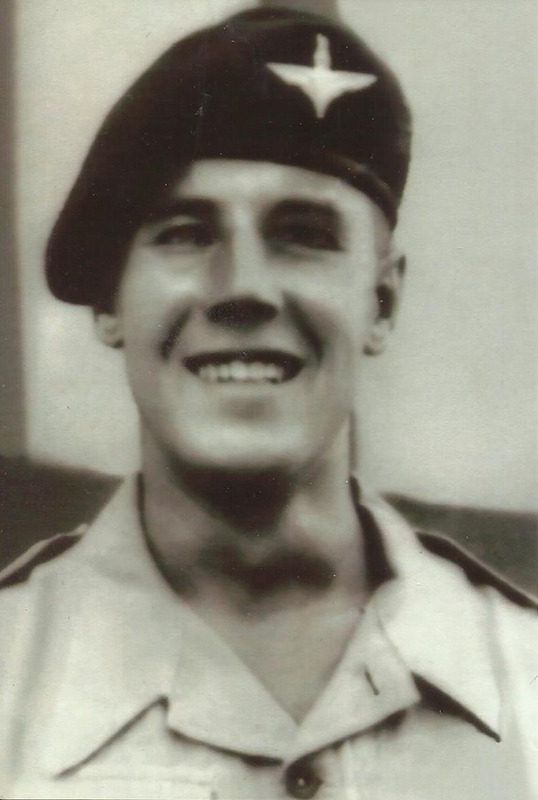 Sgt. Fred Booker as a young British Paratrooper soldier before coming to America and enlisting in the US Army. |
| It was January 16, 1967, and it was the kind of hot, dry day that makes you think of beer. Our platoon wasn’t looking forward to any beer. No cake, no ice cream, nothing but the ghastly pork and lima beans we got in our C-rations – battlefield food. The pork was something practically everybody hated, and the first and last thing you noticed about the lima beans was that they were big – real big. It seemed we weren’t going to get back to L.Z. Virginia for the hot supper they used to airlift in for the troops, so as far as dinner went, this was it. It didn’t seem fair to me. Luckily, our platoon leader must have thought the same thing, though. He got on the radio and told them to send those choppers for us. Next thing we knew, those birds were coming to take us back for the hot meal we were craving and some well-deserved rest. |
|

|
|
|

|
|
|
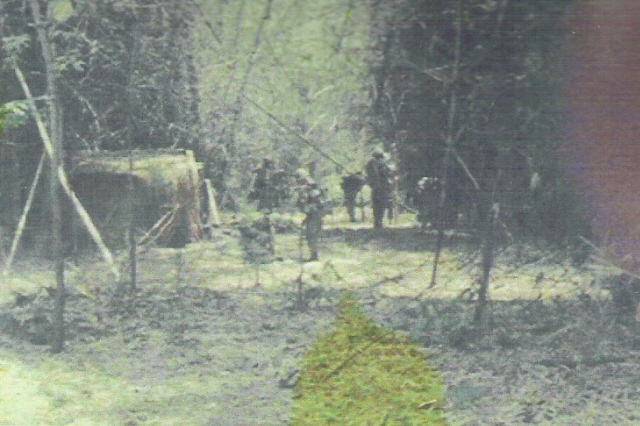
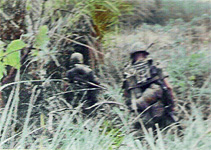
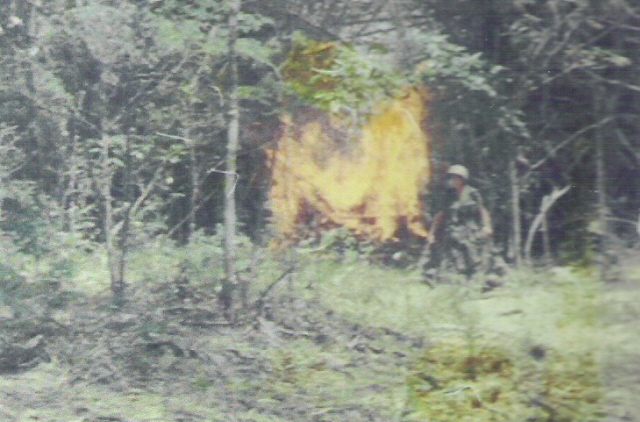
Sporadic automatic fire broke out whenever a patrol got too near the enemy’s position, but so far, nothing had really popped. Fred Booker, our forward observer and a British Army veteran, was on an embankment. Then some of us started down the embankment. Our platoon leader went ahead. I stepped aside to let him pass. Some of the group followed him, and I wound up picking up the rear. That was when the grenade came at us and exploded. I remember calling out in Spanish, “Oh, my God, Mom, I’ve been shot in the head,” and thinking I was going to die. I felt burning sensations in my arms, legs, groin. Then everything went from fast to slow motion. I saw Booker tumble down the embankment to my right, and to me, he looked like a store mannequin floating in some Twilight Zone. Even the leaves blown off the trees seemed like they were hovering instead of falling. I was coughing from the battle smoke, and then it seemed like I couldn’t move at all. I suppose my brain had shut down from the concussion – that’s what they said later. All I know is I was aware of everything, but my body wasn’t moving or responding at all, and it was only when I heard the ringing in my ears I realized I was actually coming back to life. |
 |
 |
 |
 |
In fact, I could move
now. I managed
to limp out of the crater I was in and I saw a trooper on the
ground taking cover. Then someone came up to me, forced me to
the ground, and called for a medic. As I was lying on my back being treated, I could see
jets flying overhead and bombing the area near us. It turned out four of us had been seriously wounded by
shrapnel, and that we had killed four Viet Cong in return, but
I didn’t know that yet. I don’t remember much about being airlifted out except
that the medivac pilot gave me a thumbs up.
When I woke up, I was at the aid station at LZ Betty. They were working on wounds to my lower body. On one of the gurneys near me, I could see our medic,
Robert Martinez. Then,
on another one, I saw Booker, clearly in bad shape. He was saturated in blood, and they were doing a tracheotomy
on him so he could breathe. Another trooper, George White, was being treated, too, but
he wasn’t as badly wounded. As soon as they had us stabilized, they flew us to the
field hospital at Nha Trang.
Nha Trang was a terrible place to be – better than the morgue, but way worse than lima beans. All around us, soldiers were wounded, sick, in pain, in different stages of recovery and mostly not in good spirits. But we decided to make the best of it. During the time I was there, I got to know my wounded compatriots well. I also saw another familiar face. One of the Viet Cong that had lobbed the grenade at us got wounded in the blast too, and he was right there with us. I don’t know what happened to him after he recovered, but I assume he was sent to a POW stockade. |
 |
 |
 |
 |
As for the four of us from my platoon, though, we talked a lot and even exchanged addresses, in case we got lucky and got sent home. I don’t believe we were thinking about medals that much, but they started arriving. I saw Booker's Purple Heart arrive, all right. It was brought in by a colonel just as Booker was relieving himself in his bedpan! Doc Martinez later got a Silver Star, a Bronze Star, and a Purple Heart, I guess with more decorum. But one by one, my four buddies were transferred out. Finally, I was alone in the hospital, getting more and more depressed and having a Hell of a time dealing with my problems. Robert Martinez and I kept in touch a while, and then we drifted apart. It wasn’t until some six years ago that Booker got in touch with me again, and then we connected with Martinez and White. Being reunited with these guys is something I celebrate every day of my life. – just like I celebrate that 20th birthday for being the first day of the rest of my life; for if not I would not have had the chance to experience another combat zone in the asphalt jungle of the Naked City. |
 |
 |
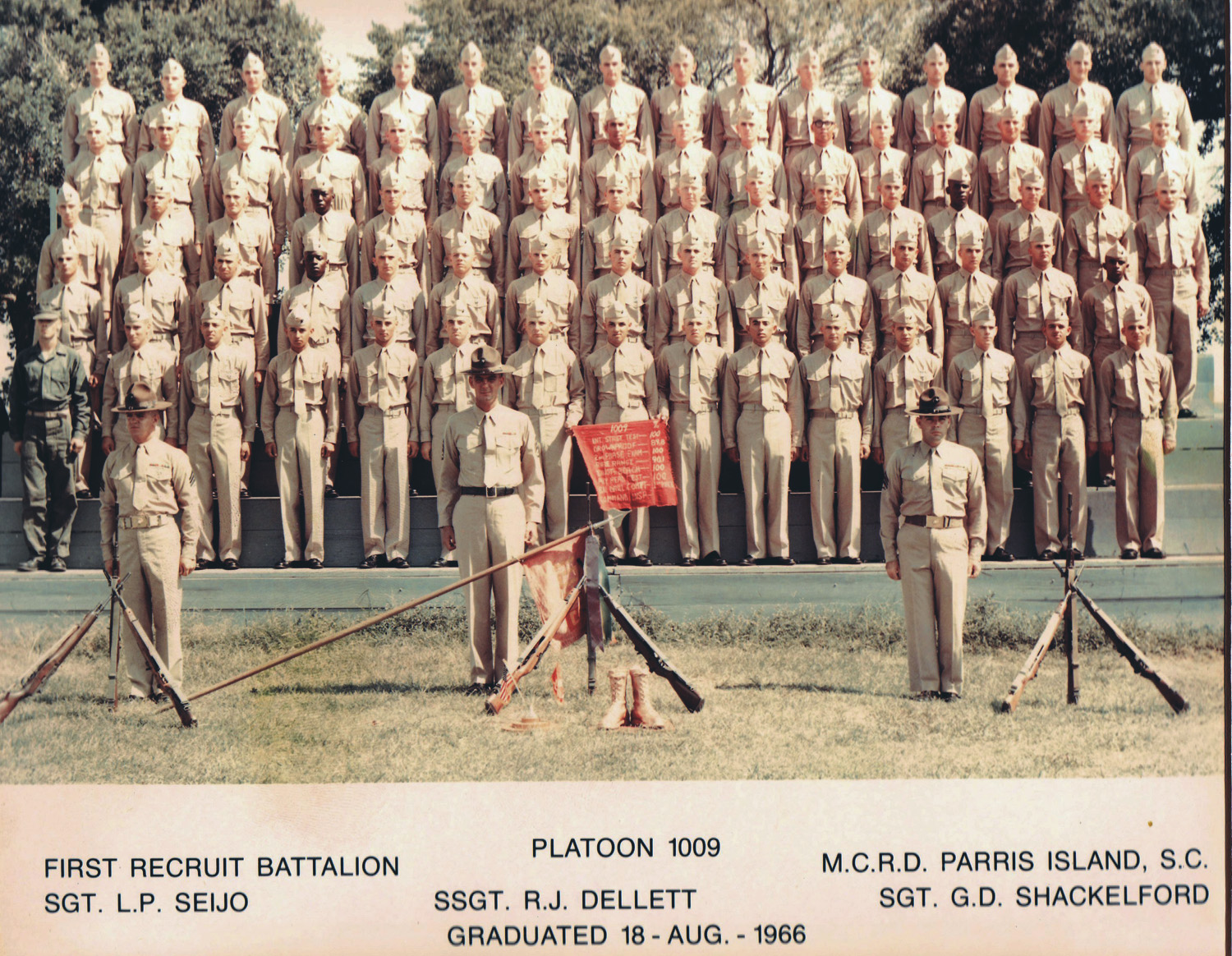
U.S.
Marine
"Semper Fi"
Retired NYPD Chief of Patrol
Nick Estavillo
 |
 |
 |
 |
 |
 |
 |
 |
 |
|
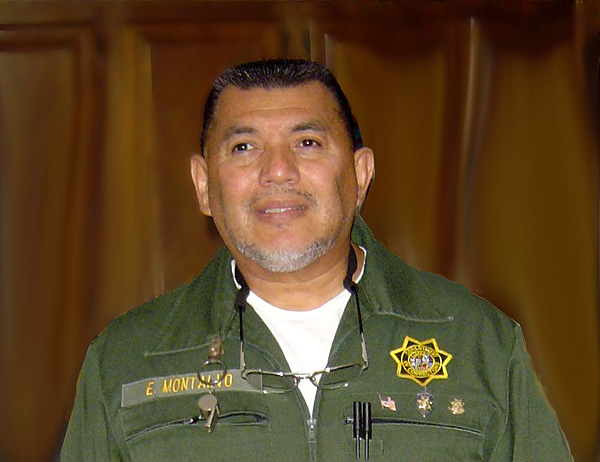
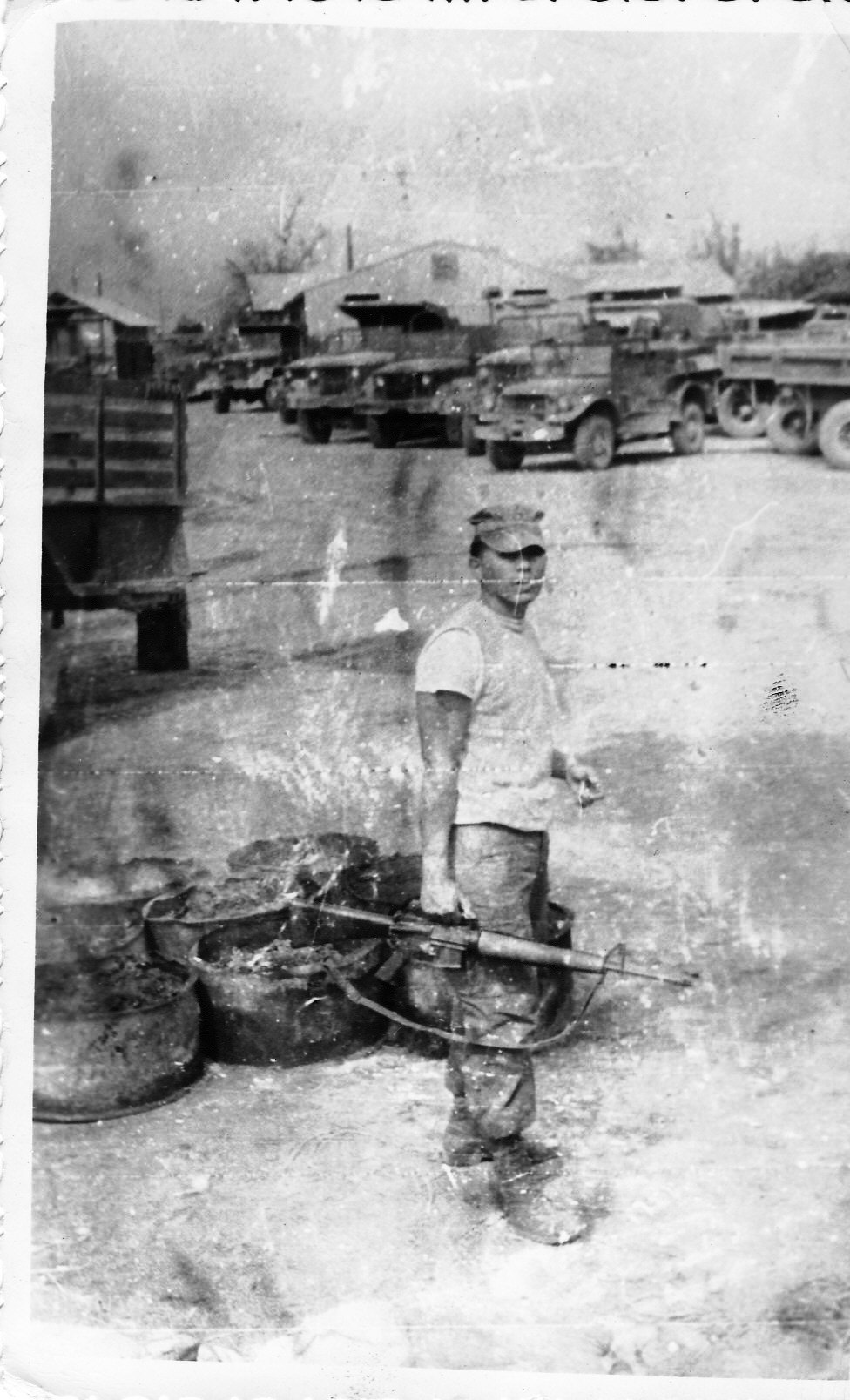
Eddie Montalvo
Past to Present
1966 - 2009
5/7 Alpha Company First Cavalry Division ( Air Mobile ) 1966-1967 |
|||
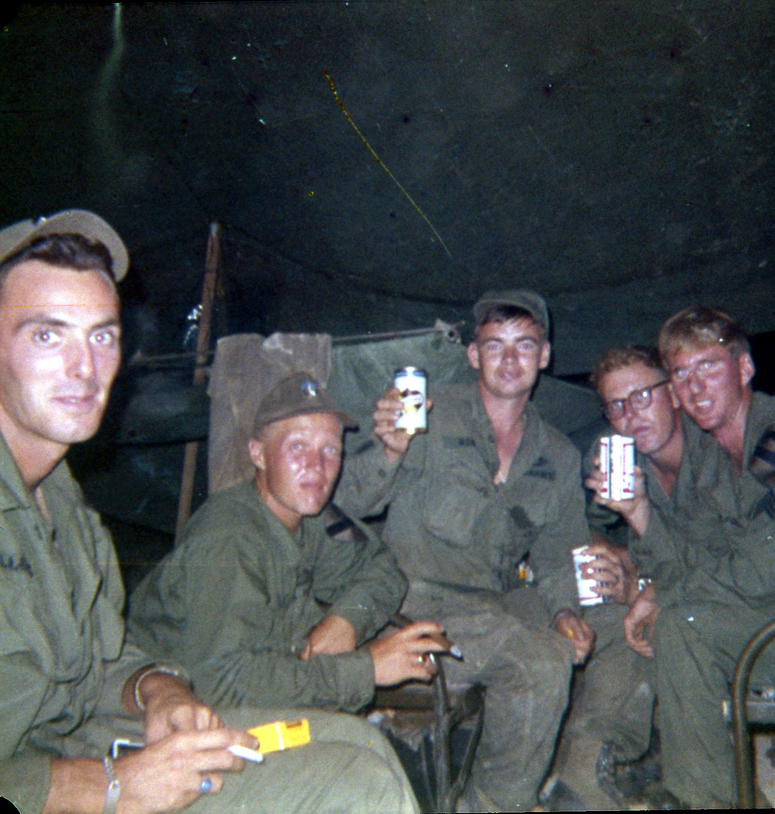 Martin Quinn, Kurt Elmer, King, Gerald Anderson, John Fulford |
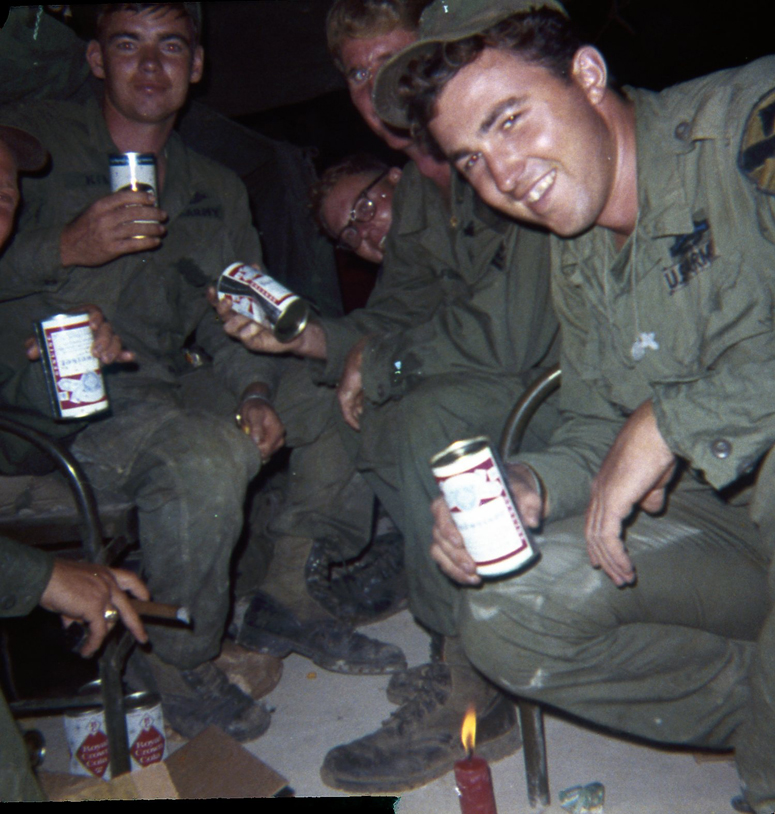 Kurt Elmer, King, Gerald Anderson, John Fulford, Marvin Bierschbach |
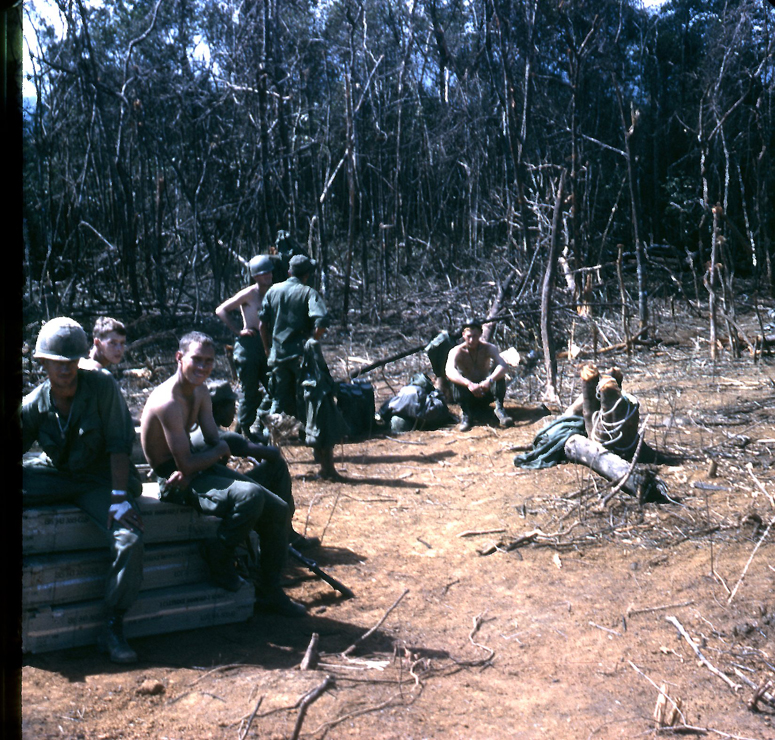 Bobby Hayslip (shirt off) Albert Patrillo (sitting far back with hat) |
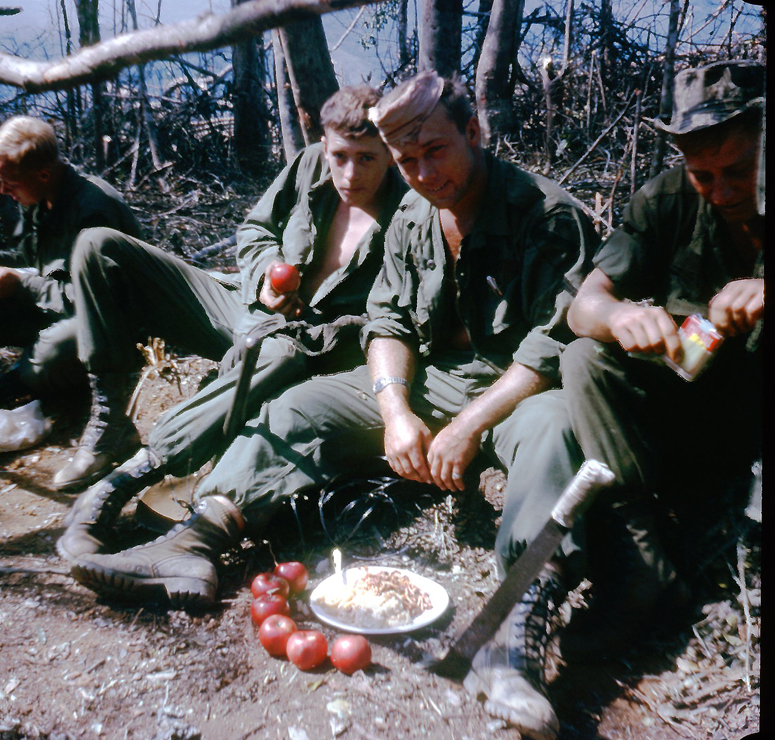 Kurt Elmer, Paul Lussier, Wilbur Bowe, Albert Patrillo |
 Albert Patrillo |
 Willie Harris |
 Wilbur Bowe |
 Wilbur Bowe, Gerald Anderson, Kurt Elmer Martin Quinn, Paul Lussier |
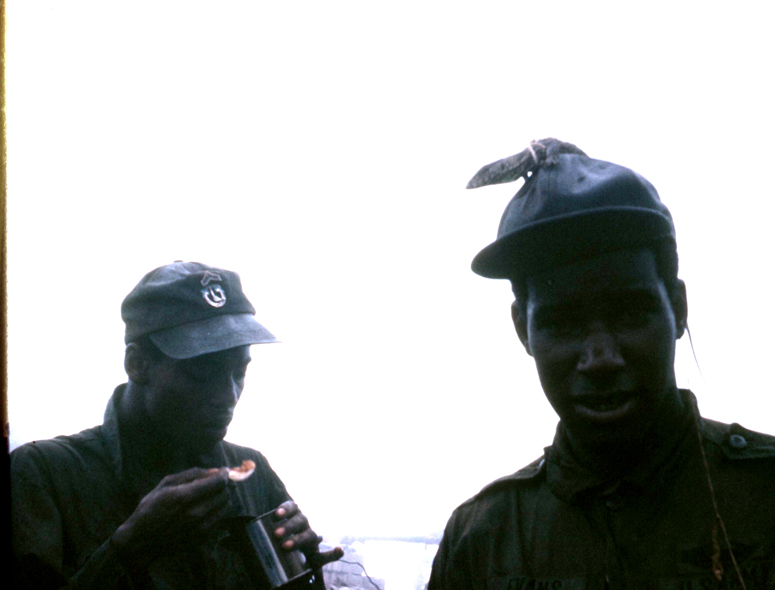 John Bronson, Carl Evan |
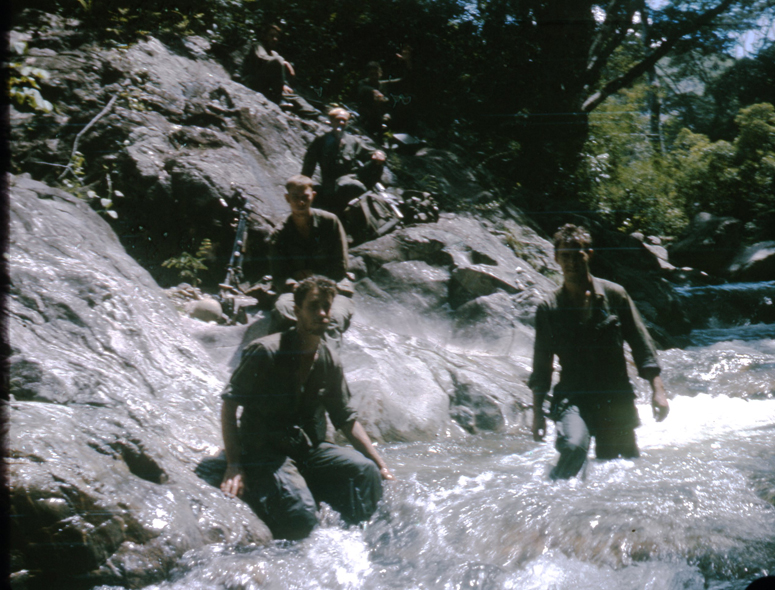 Bill Knight, Spaur, Fox, Kurt Elmer |
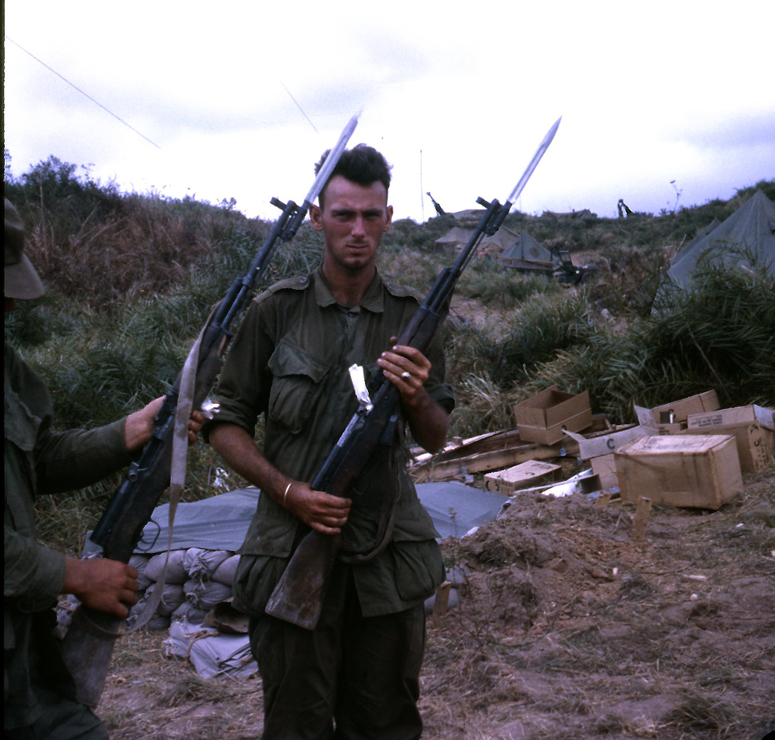 Martin Quinn |
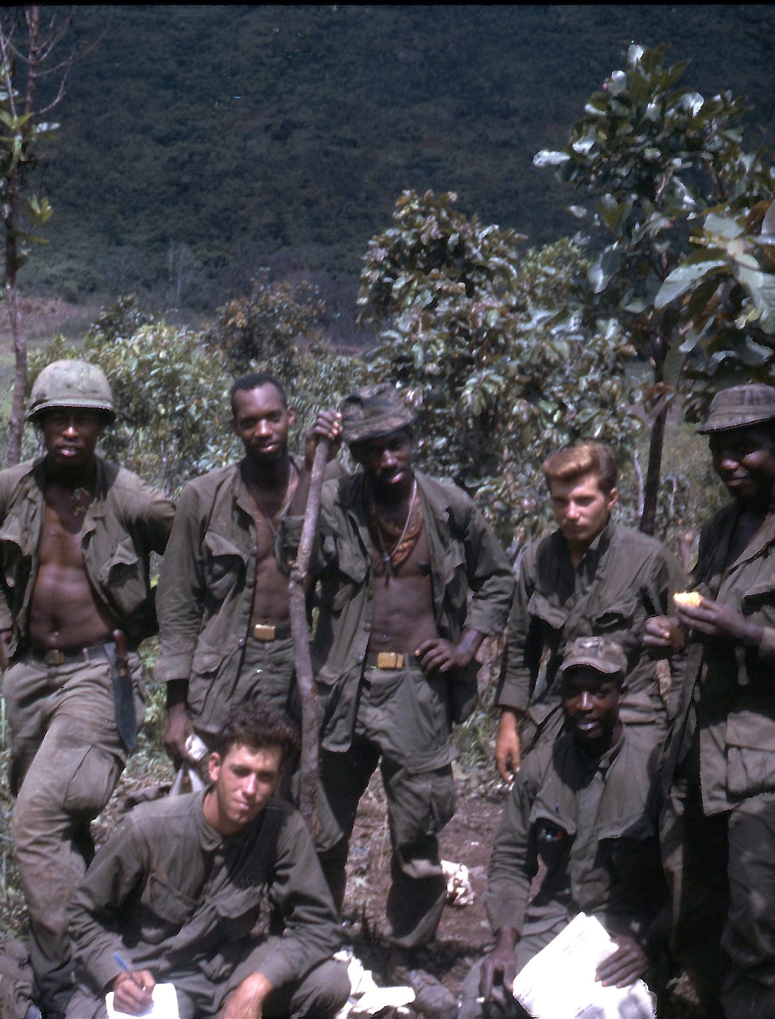 back left to right Williams, Billy Smith, P.J Rainy, Wilkerson unknown front left to right Bill Knight unknown |
5/7 Alpha Company First Cavalry Division ( Air Mobile ) 1966-1967 |
|||
John Mendez |
|
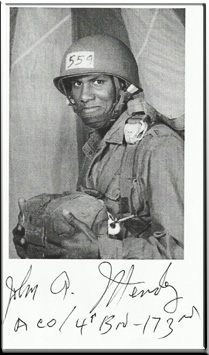 |
John Mendez was born on June 24th, 1944 in beautiful Fajardo, Puerto Rico. He joined the U.S. Army on August 5th, 1965. Trained at Fort Dix, AIT Fort Leonard Wood, Missouri. Jump school at Fort Benning, Georgia. Served with A Co. 1/501 Infantry 101st Airborne Division (1966). A Co. 4/503 Infantry 173rd Airborne Brigade Vietnam (1966-67). 711th AG (Postal) Company 10th Mountain Division. Somalia (1992-93). On the USS General John PopeTransport (AP-110) for 21 days to Vietnam. He participated in Operation Aurora I and 11, Toledo, Atlantic City, Sioux City, Robin Attleboro, Waco, Canary Duck, Cedar Falls, Big Spring, Junction City, Newark, Fort Wayne, Daytona, Cincinnati and Winchester. He was wounded in Operation Junction City on March 1st, 1967. Awards / Medals: Two Purple Hearts, Meritorious Unit Emblem, National Defense Service Metal, Vietnam Service Metal, Armed Forces Reserve Medals, Army Reserve Achievement Medal, Combat Infantryman Badge, Republic of Vietnam Campaign Ribbon (1960), Parachutist Badge, Marksman Badge with Rifle Bar, Army Reserve Components Overseas Training Ribbon, Naval Presidential Unit Citation, Military Commendation Metal for Conspicuous Service, Armed Forces Expeditionary Metal, Overseas Service Ribbon, Army Service Ribbon. Mos: 71L Administrative Specialist F-5 Postal Clerk 11B Infantryman 12A Combat Engineer 91B Medical Specialists 91S Preventive Medical Specialists ITC Military Instructor SWAT Team – Modagishu, Somalia (1922-97) Three daughters: Dora, Clarissa, Rocio Employed United State Postal Service Licensed Private Investigator Security Specialist Recovery Agent |
A VETERANS VOICE When I was young, I went to war and served the United States, and I will never forget the rain, cold and heat: the hunger, fear, pain and the misery - the whole range of attitude and emotions that soldiers experience. But most of all, I will never forget my comrades - those who shared it all with me. Yes, I was young once, the years have taken away my youth. But nothing can ever take away the fact that I was an Infantry soldier and, even more importantly, that I was a point-man in the jungle of Vietnam. Serving together, we laughed, cried, bled and lived with the constant reminder of death as young soldiers do. Yes, we were young and thought ourselves as invincible. My comrades knew that trust, absolute trust, is the glue that cements the life-long bond between men who have soldiered together. The fellowship we built as soldiers is beyond compare as we went through so much agony together. At times we depended upon each other for our very lives, and, often when death was near, all that sustained our efforts was the knowledge that we could rely on each other as brothers. Fellowship is what keeps soldiers going long after their mind screams to their bodies that it's time to quit, time to give in. We argued, and sometimes the arguments turned into fights, but, more often than not, the fights generally finished with two soldiers collapsing with laughter at the absurdity of it all. I'm older now, and, far too many, of my bothers are gone. We were never invincible, and it becomes clearer everyday as I experienced the physical and psychological pain that all old solders must accept and learn to live with. To those that have gone before me, I say thanks comrades. You did your duty. You left your legacy. You mad the difference and America enjoys it today. I'm one of the old soldiers left behind, for however long I don't know. While I live, I will ensure that your names and faces are etched into my memory. I have a clean record throughout my young and adult life. I have a good attitude. I suffered a serious stroke in Fort Ruker, Alabama in July of 1998 while in the Army Reserves (active Duty Training). I then spent four months in the Veteran Administration hospital in Tampa, Florida. Learning how to speak and walk again, paralyzed on the left side with loss of use of my left arm. Disabled for the first time in my life, I was vulnerable, weak and sick. In my heart, I felt and believed that my life was in danger. I didn’t hurt anyone while I lived in New York and Orlando. I never robbed, raped or killed any living person or soul. I was simply defending myself against a young aggressor who thought he was invincible. I armed myself with my revolver and used it in self-defense in my own hoe on Friday afternoon November 3, 1999, but my actions on that tragic day landed me in prison for the first time in my life at the age of 56. I am now serving seven years in prison, but this too shall pass. ABOUT THE WRITER:
EDITORS NOTES: |

|
|